Client: Zulily
Role: Senior Copywriter & Web Content Strategist
Focus: Product category page content
Goal: Increase search discoverability and organic traffic
Constraints: Limited CMS flexibility and very little engineering support

Context
Zulily’s product category pages were originally structured by internal merchandising teams to support buying and promotional workflows. While effective for internal organization, this approach did not align with how customers searched for or discovered products organically.
As a result, high-intent search queries (e.g. handbags, jewelry, sunglasses) were not adequately represented in the site’s category taxonomy or on-page content. Therefore, not discoverable by customers or search engines.
Problems Addressed
- Category taxonomy reflected internal merchandising logic, not user search behavior.
- Broad category labels (e.g., Women’s Accessories) with no subcategories limited organic discoverability. This created a gap between how users searched and how content was structured.
- CMS limitations (HTML only) restricted content placement and graphic elements.
Goals
Primary goals
- Improve organic search discoverability for high-intent accessory-related queries.
- Increase website traffic for category pages.
- Improve sales!
Secondary goals
- Maintain internal merchandising workflows.
- Improve clarity for users.
- Implement changes within the copy organization without requiring CMS updates, dev or engineering.
Constraints & Considerations
- Only the H1 could be edited at the top of the page.
- All supporting content had to live below the product grid.
- All content had to be coded in HTML.
- No imagery or rich content modules.
- Include internal linking within the category and relevant auxiliary categories (women’s shoes, women’s dresses, etc.)
- Content needed to remain concise and non-disruptive to conversion.
These constraints required a content strategy rather than a full redesign.
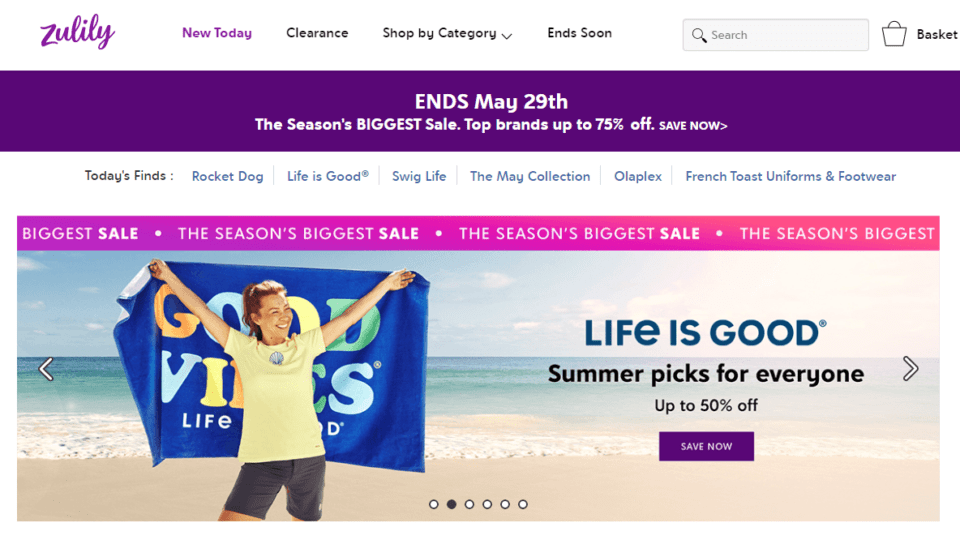
Research & Insights
Step 1. SEO & Search Intent Analysis
- Identified high-volume, high-intent keywords using SEMRush, Google Trends, Google Analytics, and internal data.
- Confirmed users searched for product-specific terms rather than umbrella categories.
- Found opportunities to capture long-tail searches via subcategory language.
Step 2. Content Audit
- Existing metadata, meta descriptions, and category content did not exist. The only thing customers and search bots could read were H1s.
- Page structure lacked semantic signals beyond product listings.
- No descriptive content supporting discovery or indexing.
Strategy
A. Category Restructuring
While full taxonomy changes required broader alignment, content updates were designed to offer subcategory clarity within existing pages.
Existing category: Women’s Accessories
Strategy: Reinforce subcategories
New Structure
Fashion Accessories
> Handbags
> Jewelry
> Sunglasses
> Scarves
Existing Category: Plus Size
Strategy: Reinforce subcategories
New Structure
Women’s Plus Size Clothing
> Plus Size Tops
> Plus Size Sweaters
> Plus Size Dresses
> Plus Size Pants & Leggings
This approach allowed search engines to understand category depth. This required buy-in from the merchandising organization to add subcategories and engineering to create new canonical URLs and add them to the navigation.
B. H1 & Meta Description Optimization
Updated H1s to better align with primary search intent.
Added meta descriptions with SEO clarity, discount language, and merchandising needs.
Before
H1: Women’s Accessories
Meta Description: None
After
H1: Fashion Accessories
Meta Description: Fashion Accessories | Zulily | Discounts on Handbags, Jewelry, Sunglasses & More
C. Bottom-of-Page Content Strategy
Since all supporting content had to live below the product grid, the content was designed to:
- Reinforce keyword relevance
- Provide semantic context for search engines
- Avoid distracting from shopping behavior
- Include text-only links to other pages in the subcategory at the bottom of the content
D. Content Structure
- Short paragraphs to define the category
- Scannable subcategory callouts (text-only), using color, bold or italics for emphasis
- Natural language incorporating secondary keywords
- Incorporate internal linking
Execution
Once my team had our strategy nailed down, we began the writing process. We used our earlier SEO research to gather keywords that each content block needed and divided the 100+ categories among our writers. Using Google Sheets and Google Docs, we organized and wrote our content until we’d completed the task. I’m especially thankful for the introduction of tabs in Google Docs during this time.
Bottom-of-page content framework:
- 2-3 short paragraphs for category overviews
- Brief, sentence-level descriptions for each key subcategory
- Clear, non-promotional language focused on discovery
- Content was written to be indexable, concise, and consistent across category pages.
As our team uploaded the content to the CMS, we realized the content needed additional line breaks to split up the paragraph and make it look more intentional. We thought of each content block as a mini blog post. By the third round of uploads, we landed on content blocks that had more line breaks, pro tips to establish fashion authority, and links to navigate to other categories at the bottom of each page.
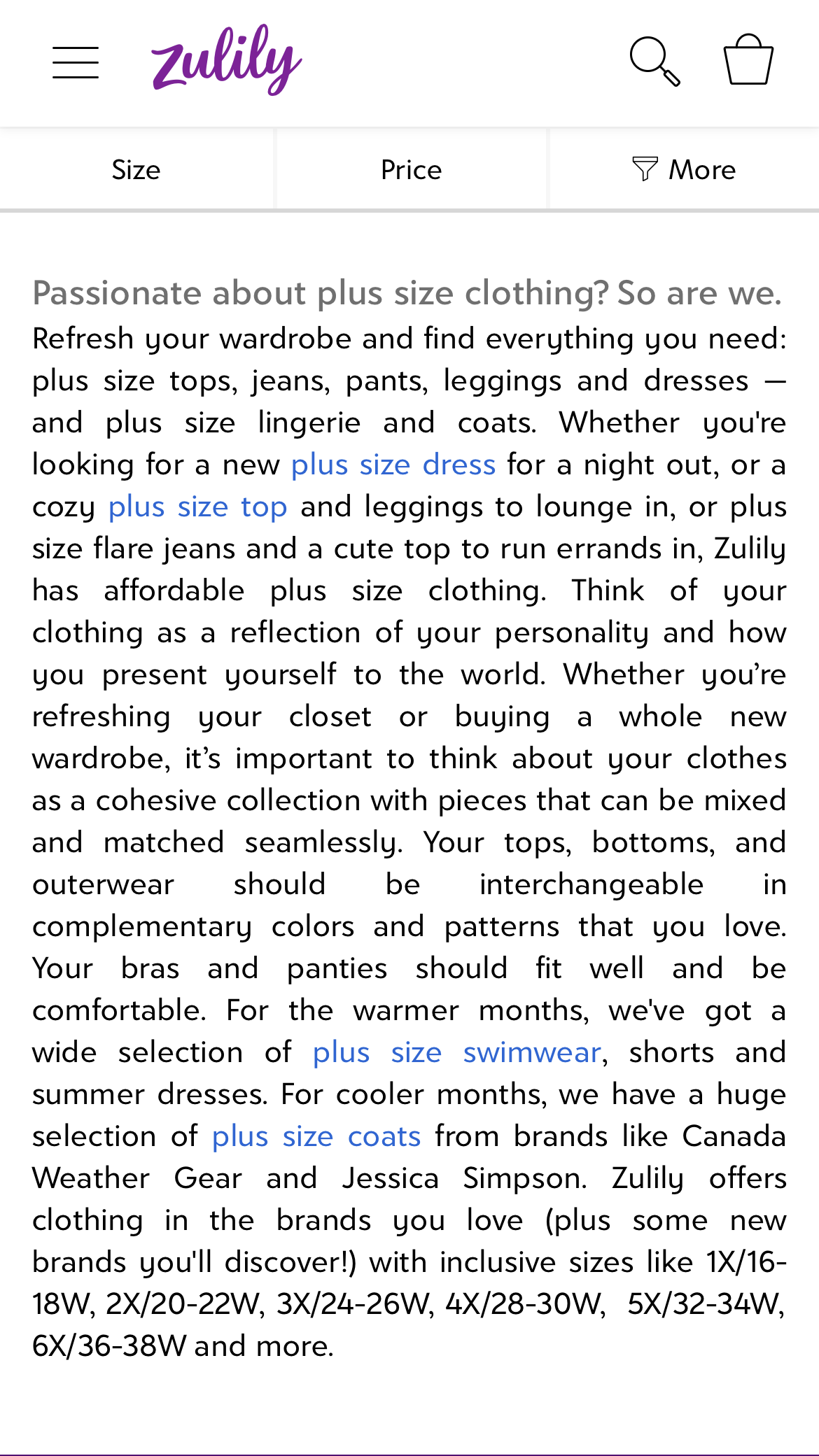
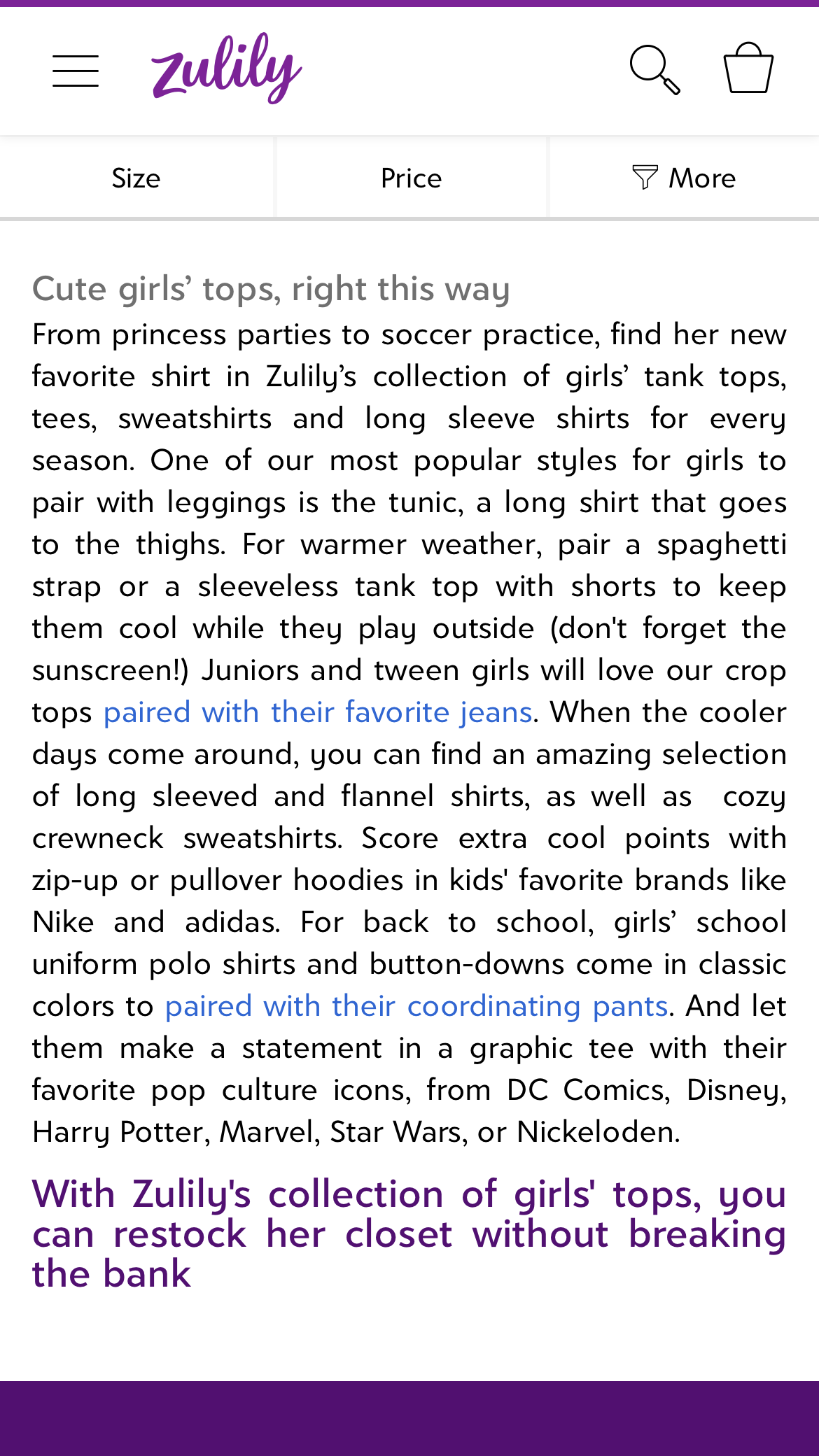
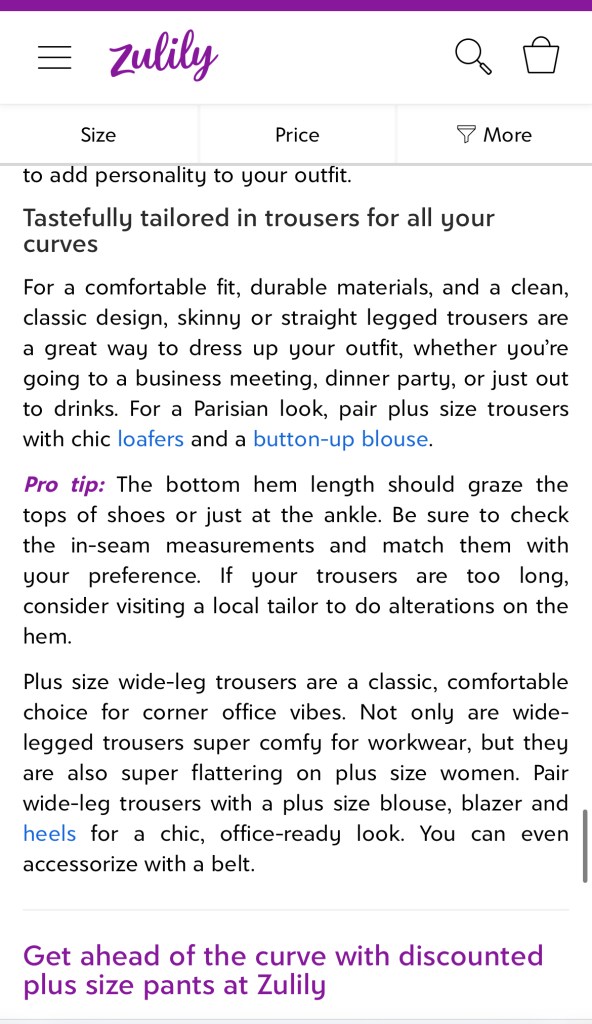
Versions 1 & 2 were long blocks of text, so our final iteration added line breaks and looked more like a blog post.
Collaboration
- Partnered with SEO stakeholders to validate keyword priorities
- Lead 5 person copy team through execution stage and provided support in keyword research, writing, and editing
- Aligned with merchandising to ensure category definitions matched inventory reality
- Worked within CMS constraints alongside engineering and platform teams
- This collaboration ensured changes were feasible, scalable, and aligned with business goals.Results
- Improved organic discoverability for accessory-related search queries
- Clearer category context for users and search engines
- Established a repeatable framework for future category updates
- Specific metrics varied by category and season; success was measured through organic traffic trends, keyword visibility, and stakeholder feedback.
Learnings
- CMS constraints can still support meaningful SEO improvements with the right strategy and someone willing to get their hands in the code (me!).
- Even small structural changes (H1 + semantic content) can have an impact.
With additional time and resources, I would:
- Introduce modular content blocks above the fold.
- Expand subcategory pages with dedicated landing experiences that featured seasonal creative content and storytelling.
Why This Matters
This project demonstrates how web content strategy, SEO, and information architecture can improve discoverability even within tight technical constraints—by aligning internal systems with user intent, especially in ecommerce. It’s great if you have a fantastic product set and a robust buying team, but if your users can’t discover your products, then you aren’t making any sales. SEO (and now AI optimization) is a vital aspect of ecommerce that shouldn’t be ignored. Many teams assign this task to their engineering teams, which is helpful from a technical standpoint but not from a marketing one. SEO and the content it needs can really shine when given to a content strategist or copywriter who knows.
Unfortunately, after I finished this project, Zulily shut down and was acquired by a different company with a different website entirely, thus losing all the hard work discussed in this case study. Sucks for them.
More Case Studies

Case Study: How I Used Design Thinking to Redesign My Kitchen
Design thinking focuses on people first, seeking to understand users’ needs and develop effective solutions to meet them. It’s a solution-based approach to problem-solving, which is exactly what I need when designing my kitchen.

Case Study: SEO & Content Design for Ritani
When purchasing (and investing in) diamonds and engagement rings, there’s a lot for users to learn and consider. Ritani’s diamond education landing pages were outdated and lacked optimization. That’s where I came in.


 Becca Risa Luna